
Overview
Suva is Fiji's capital and the administrative heart of the South Pacific. Home to nearly 80,000 people, it dominates the eastern coast of Viti Levu, the country's largest island. The city serves as the region's principal hub for government, commerce, and culture, with sprawling institutions, markets, and religious buildings that reflect its role as a major Pacific centre.
The city's character emerges from its layered history and role as a focal point for the nation. Government offices, the Parliament, and the Reserve Bank of Fiji are headquartered here, while museums and archives preserve the islands' past. For visitors, Suva offers a gritty, authentic glimpse of Pacific urban life rather than resort relaxation—a place where everyday commerce, civic infrastructure, and cultural institutions jostle together without pretence.
Key facts
| Country | Fiji |
|---|---|
| Population | 77,366 |
| Timezone | Pacific/Fiji |
| Nearest airport | Nausori International Airport (SUV), 18 km |
| Currency | FJD |
History and context
Suva's significance as a colonial administrative centre shaped its physical layout and institutional character. The city emerged as the seat of power during the imperial era, when colonial authorities established Government Buildings and Government House as symbols of control. These structures remain prominent landmarks, their architectural styles reflecting that period's approach to governance and urban planning.
The National Archives of Fiji and the Fiji Museum document the archipelago's longer story, preserving artefacts and records that trace settlement and development across centuries. The city's religious buildings—from the Sacred Heart Cathedral to the Holy Trinity Anglican Cathedral, alongside the Suva Fiji Temple, Suva Mosque, and Hindu temples—reveal the multicultural composition that developed during and after the colonial era. These institutions now coexist as part of Suva's everyday landscape, testament to the cultural plurality that characterises modern Fiji.


Things to do
The Fiji Museum offers the most systematic introduction to the islands' cultural heritage and natural history. It houses artefacts, ethnographic material, and exhibitions that document Fijian life across different periods. For those seeking to understand the nation's past and present, it provides essential context that enriches any visit to the capital.
Suva's markets are the city's most animated and revealing spaces. Suva Market operates as the central trading hub, thronging with vendors selling produce, fish, and everyday goods. Suva Flea Market and the Local Handicrafts market cater to different shoppers—the former offering miscellaneous goods and secondhand items, the latter showcasing traditional crafts and artisan work. Wandering these spaces gives unfiltered access to how Suva functions as a living commercial centre rather than a manicured tourist destination.
Albert Park and Sukuna Park provide green respite within the city. Albert Park sits centrally and serves as an informal gathering space, while Sukuna Park offers similar amenities for recreation and rest. Thurston Gardens, though primarily an institutional space, contains plant collections and landscaping that reward a brief visit if access permits.
Religious architecture punctuates Suva's streetscape and reveals the city's spiritual diversity. The Sacred Heart Cathedral is a prominent Catholic structure, while the Holy Trinity Anglican Cathedral represents the established Protestant tradition. The Suva Fiji Temple, Suva Mosque, Shri Laxmi Narayan Mandir, and Shri Shirdi Mandir serve Hindu, Muslim, and other faith communities respectively. These buildings are often architecturally distinctive and document Fiji's religious pluralism.
Civic and cultural venues including the Civic Auditorium Centre and The PlayHouse host performances, exhibitions, and public events throughout the year. These spaces anchor Suva's cultural life and occasionally offer visitors a window into contemporary Pacific arts and entertainment. HFC Bank Stadium and Vodafone Arena function as major sports venues, though they primarily serve local and regional competitions rather than major international events.
For institutional interest, the Parliament of Fiji building represents the seat of democratic governance in the nation. Government House serves as the official residence of the head of state, while the Reserve Bank of Fiji Headquarters exemplifies modern civic architecture. The WG Friendship Plaza Suva provides another public focal point in the city centre. These sites document Suva's role as the administrative and political core of Fiji.


Experiences you can book in Suva
 Mossman Gorge Daintree Experience Small GroupsFree cancellationInstant confirmation
About this experience
Our travellers love our small groups of like minded people. We seat up to 11 passengers. Our tour guide is qualified and knowledgeable in the Wet Tropics he offers personalised and interactive experiences. The tour offers extensive information on culture, wildlife and history…
from £145.15Book on Viator →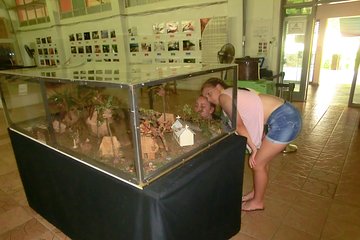 Suva Customized tour- PrivateFree cancellationInstant confirmation
About this experience
This is tour is based on your interests and will be dictacted by you! Explore Fiji’s capital city, Suva, the centre of Fiji's commerce and the seat of government. On a guided tour, see notable landmarks, and learn more about the history of the city. Visit the President’s…
from £79.27Book on Viator → Port of Suva - Private TourFree cancellationInstant confirmation
About this experience
Whether you want to see waterfalls, experience local life in a village or visit Suva city life including it fresh history through the museum…(yes, we can do that),we can plan the trip that’s perfect for you. We'll help you design your own tour, building on an existing itinerary…
from £133.98Book on Viator → Private Transfer Nadi Airport to or from Hotel or ResortFree cancellationInstant confirmation
About this experience
In the case of purchasing transfer in service from Nadi Airport to your hotel or resort: Bypass long taxi waiting lines and get to your hotel or resort quickly and comfortably with this one-way private transfer service from Nadi International Airport. Look out for your driver…
from £13.09Book on Viator → Private Transfer: Suva to Nadi AirportFree cancellationInstant confirmation
About this experience
Enjoy a private departure transfer from your accommodation in Suva to the Nadi International Airport. This is a private transfer for up to 15 people. If the size of your group is 4 people or less, you will travel in an Alphard Hybrid car. If the size of your group is 5 – 15…
from £158.43Book on Viator →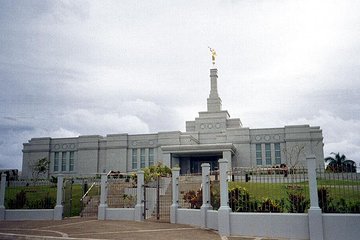 Private Shore Excursion: Suva City Sightseeing TourFree cancellationInstant confirmation
About this experience
This is a 6-hour private shore excursion from your cruise ships arrival into the Port of Suva. Have your own private guide and vehicle to take you wherever you wish to go. You just pay the entry fees yourself. You will be picked up from inside the Suva Wharf. Choose from a wide…
from £264.49Book on Viator →
Experiences are sold and operated by Viator and its local suppliers. Head Your Way is an affiliate: we may earn a commission, but your booking, payment, cancellations, refunds and any insurance are handled entirely by Viator under their terms. Head Your Way is not the seller and is not a party to your booking. Prices and availability shown are from Viator and can change — confirm full details on Viator before booking.
When to visit
Suva's climate is tropical, with consistent warmth year-round. The city experiences a wet season and a dry season, though the specific temperature ranges and rainfall patterns vary throughout the year. Visitors should expect humidity and occasional heavy rain, particularly during the wetter months. The tropical setting means lightweight, breathable clothing is essential year-round.
Those planning visits should consider local events, school holidays, and the rhythm of civic life. As Fiji's capital, Suva hosts government activity, cultural observances, and commercial events that may influence availability of services and atmosphere. Public holidays and cultural festivals occasionally reshape the city's calendar, though specific dates are best confirmed closer to travel.

Getting there
Nausori International Airport, located 17.7 kilometres from central Suva, is the primary entry point for most visitors. The airport handles international and domestic flights and serves as the gateway for anyone arriving in Fiji. Transport from the airport into the city is available via taxi and shuttle services, with the distance covering roughly 30 to 40 minutes' travel depending on traffic and road conditions.
Levuka Airfield, situated 59 kilometres away, offers an alternative though less frequently used route. Visitors utilising this airfield would require onward transport to reach Suva itself.
For those already in Fiji, road travel from other towns is feasible. Lami sits just 3.3 kilometres away and serves as an immediate neighbour, while Nasinu lies 11.9 kilometres inland. Longer regional journeys connect Suva to Sigatoka (97 kilometres away), Nadi (113 kilometres), and Lautoka (118.3 kilometres), though these trips involve substantial travel times by road.
Find flights to Suva →arrives SUV (17.7 km away)

Getting around
Suva is navigable on foot in its central districts, where government buildings, markets, and main attractions cluster within walking distance. However, the city sprawls across 2,048 square kilometres, so many visits require motorised transport to cover greater distances.
Taxis operate throughout Suva and provide the most straightforward way to reach attractions scattered across the city. Ride-hailing services may be available, though their reliability varies. For longer journeys to nearby towns or day trips, organised tours or rental vehicles offer flexibility, though hiring a car requires familiarity with local driving conditions and road quality.
Public transport exists but operates less formally than in some larger capitals. Buses run set routes, though schedules and frequency can be unpredictable. Visitors unfamiliar with the city are often better served by taxis or pre-arranged transport, particularly for evening travel or visits to less central locations.

Day trips and nearby towns
Lami, located just 3.3 kilometres away, is Suva's immediate neighbour and easily reachable for a brief excursion or to experience a smaller-scale settlement. Nasinu, 11.9 kilometres inland, provides another nearby option for those wishing to venture beyond central Suva without extensive travel.
Sigatoka lies 97 kilometres away and makes a feasible half or full-day outing for those with their own transport or willingness to join an organised tour. Similarly, Nadi (113 kilometres) and Lautoka (118.3 kilometres) are within reach for day visitors, though the drive consumes significant time and the experience is better suited to those with a full day available. These towns offer different character and attractions from the capital but require commitment in terms of travel.
Mataika House, situated in the wider region beyond Suva proper, may be of interest to some visitors, though it requires specific planning and transport arrangements to reach.

Practical information
Suva operates on Fiji Time (Pacific/Fiji timezone). The currency is the Fiji Dollar (FJD), and English is widely spoken, making communication straightforward for most visitors. The official city website (www.suvacity.org) provides administrative information and may list civic events or services.
The city's main market operates during daylight hours, and most shops and services follow standard business hours, typically closing by evening. Banking and government services are concentrated in the city centre. Mobile phone coverage is generally reliable, and internet access is available at hotels, cafes, and designated wifi zones throughout the central areas.
Safety varies by neighbourhood, and visitors should exercise standard precautions, particularly in less central areas and after dark. Petty theft occurs, so secure valuables and avoid displaying expensive items. Tap water is generally safe in central Suva, though some visitors prefer bottled water. Medical facilities, including the College of Medicine, Nursing & Health Sciences, are present, though serious health issues may require evacuation to larger regional centres.

Where to stay in Suva
Hotels are booked on Booking.com (a third party, off this page). You book and pay them directly — Head Your Way is not the seller.
Getting around Suva
Affiliate links — we may earn a commission, never at extra cost to you.
Common questions
- What is the best way to get from Nausori International Airport to central Suva?
- Taxis operate from the airport and are the most straightforward option for the 17.7-kilometre journey into the city. Negotiate fares beforehand or use metered services where available. Journey times typically range from 30 to 40 minutes depending on traffic. Some hotels and tour operators offer airport transfer services, which can be arranged in advance.
- Is Suva safe for visitors?
- Suva is generally manageable for visitors who exercise standard urban precautions. Avoid displaying valuable items, secure belongings, and be cautious in less central areas and after dark. The city centre and main attractions are frequented by locals and visitors during daylight hours. Travel advice from your government should be checked before departure.
- What language is spoken in Suva?
- English is widely spoken throughout Suva, making communication straightforward for most visitors. Fijian is also common in daily life, but English suffices for tourism, business, and general interaction.
- How far is Suva from other major towns in Fiji?
- Suva is 113 kilometres from Nadi, 118.3 kilometres from Lautoka, 97 kilometres from Sigatoka, and 11.9 kilometres from Nasinu. Lami is the nearest significant neighbour, just 3.3 kilometres away. Road journeys to Nadi or Lautoka typically require 2 to 3 hours of travel.
- What currency is used in Suva, and can I exchange money easily?
- The Fiji Dollar (FJD) is the local currency. Exchange facilities and ATMs are available in central Suva, particularly near government and commercial buildings. Most hotels and larger businesses accept major credit cards, though smaller vendors and markets typically deal in cash only.
- Are there markets in Suva where I can experience local commerce?
- Yes. Suva Market is the main trading hub for produce and everyday goods. Suva Flea Market offers secondhand and miscellaneous items, while the Local Handicrafts market stocks traditional crafts and artisan work. All operate during daylight hours and provide authentic glimpses into daily city life.
On the map
Keep exploring
Nearby places
Similar destinations
Plan the wider trip
Sources & method
- GeoNames — population · retrieved 2026-08-14
- OurAirports (derived) — nearestAirports · retrieved 2026-08-14
- Imagery — commons
Data compiled 2026-08-14 · editorial checks: passed. See our methodology for how Head Your Way sources and reviews travel data.