
Overview
Vientiane, the capital of Laos, is a sprawling riverside city where French colonial architecture mingles with Buddhist temples and modern development. Home to nearly 841,000 people, it serves as the country's political and cultural heart, with a UNESCO World Heritage site at its centre and a laid-back atmosphere that contrasts sharply with the bustle of Southeast Asian capitals.
The city's appeal lies in its temples, museums, and markets rather than iconic monuments. Vientiane rewards slow exploration—wandering past gilded stupas, ducking into neighbourhood shrines, browsing local markets, and understanding the historical forces that shaped modern Laos through its museums and memorials.
Key facts
| Country | Laos |
|---|---|
| Population | 840,940 |
| Timezone | Asia/Vientiane |
| Nearest airport | Wattay International Airport (VTE), 4 km |
| Currency | LAK |
History and context
Vientiane's past encompasses multiple kingdoms and periods of rule. The city was once the centre of the Kingdom of Vientiane, a distinct polity that occupied a significant place in the region's political geography. Later, it became the seat of the Kingdom of Laos, marking a transition in how the territory was organized and governed.
French colonial influence left visible marks on the urban landscape—tree-lined avenues, shuttered buildings, and a certain Mediterranean quality to some of the older quarters. This heritage sits alongside Buddhist monasteries that date from earlier eras, creating an architectural conversation between faiths and powers.
Understanding Vientiane means confronting its modern history too. The city experienced the upheavals of the twentieth century, which shaped its museums and memorials. The Kaysone Phomvihane Museum documents significant political figures and transitions, while the COPE Visitor Centre and MAG UXO Visitors Centre address the lasting impacts of conflict, offering context for understanding contemporary Laos.


Things to do
Vientiane's religious sites form the backbone of sightseeing. Pha That Luang, the city's most iconic structure and a UNESCO World Heritage site, is a towering gilded stupa that dominates the skyline from multiple vantage points. Wat Si Saket is the oldest surviving temple in Vientiane, its cloisters lined with thousands of small Buddha images in niches, a remarkable sight that conveys both devotion and artistic continuity. Haw Phra Kaew, once the royal temple, houses Buddha images and exemplifies the architectural sophistication of Lao temple design. Wat Ong Teu Mahawihan and Wat Mixay represent different eras and styles of temple construction, each with their own artistic details and significance within the city's spiritual landscape.
Beyond Buddhist monasteries, Vientiane's religious diversity is evident. The Sacred Heart Cathedral reflects the Roman Catholic presence, a legacy of French colonial administration. The Vientiane Jamia Mosque and Azahar Mosque serve the Muslim communities in the city, representing the multicultural fabric often overlooked in guidebooks.
Monuments and memorials punctuate the city's geography. The Chao Fa Ngum Monument honours the legendary founder associated with early Lao history, while the Chao Anouvong Statue commemorates another significant historical figure. Patuxai, a modern landmark, stands as a testament to twentieth-century construction, and That Dam, a distinctive black stupa, carries its own mystique and local significance. Naga Beach and Taibān offer waterfront perspectives and different atmospheres within the urban core.
Museums provide essential context for understanding Laos. The Lao National Museum covers the nation's history and culture across multiple galleries. The Kaysone Phomvihane Museum focuses on twentieth-century political history and leadership. The MAG UXO Visitors Centre and COPE Visitor Centre address humanitarian concerns related to past conflict, presenting important narratives often absent from conventional tourism. The National Library of Laos serves scholars and curious visitors alike.
Markets reveal daily life and local commerce. Talat Sao, the morning market, sprawls across multiple levels and sections, selling everything from textiles to household goods to fresh produce. The Night Market offers a different energy and selection. The Organic Market caters to those seeking particular products. Beyond shopping, markets are places to observe how Vientiane residents move through their day, what they eat, and how they trade.


Experiences you can book in Vientiane
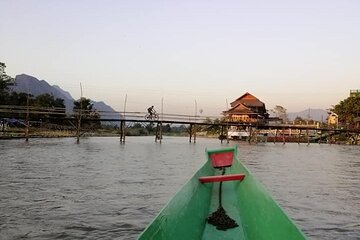 1-Day Tour to Vang Vieng with Private GuideFree cancellationInstant confirmation
About this experience
ITINERARY Pickup from your hotel and transfer to Vang Vieng by private minivan. We will visit caves (zip line activity near Nangfar Cave optional) and the blue lagoon for swimming. By evening, you will enjoy sunset by the river. You can choose to kayak or ride a boat.…
from £150.47Book on Viator → Vientiane Cultural Tour with Private GuideFree cancellationInstant confirmation
About this experience
Enjoy your private tour with our English speaking tour guide in air-conditioned Minivan. Itinerary can be customised to include coffee break or some shopping. We will suggest to you local lunch but you can request for others (Vegetarian, halal or skip lunch). Feel free to let…
from £94.04Book on Viator → Laos Highlights 4 Day Journey from Vientiane to Luang PrabangFree cancellationInstant confirmation
About this experience
Discover the Best of Laos in 4 Days Your Vientiane and Luang Prabang 4D3N Tour offers the perfect balance of cultural immersion and scenic beauty. In Vientiane, explore ancient temples, the iconic Patuxay Monument, and the spiritual Buddha Park, where history and spirituality…
from £342.32Book on Viator → Private Day Trip Vientiane to Vang ViengFree cancellationInstant confirmation
About this experience
A day trip from Vientiane to Vang Vieng is feasible, with travel time around 1.5-2 hours each way by private car via the new highway. All the highlights you mentioned are possible to visit, but a hot air balloon flight is likely only feasible at sunset, which might conflict with…
from £162.51Book on Viator → Vientiane Landmarks and Cultural Immersion TourFree cancellationInstant confirmation
About this experience
On the Iconic Vientiane Tour, you'll dive into the rich culture of Laos as you explore its must -see landmarks! Visit the peaceful Buddha Park, where hundreds of unique statues create a magical atmosphere. Admire the beauty of the Patuxay Monument, often called the "Arc de…
from £42.13Book on Viator →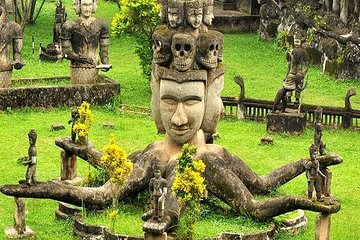 Private Tour: Vientiane City Tour Full Day with Buddha ParkFree cancellationInstant confirmation
About this experience
Discover Wat Si Saket, Ho Pra Keo or Wat Ho Phakeo and Buddha Park on this Vientiane City Tour. Leave the city behind you and travel by air-conditioned car to Wat Si Saket. Visit Ho Pra Keo or Wat Ho Phakeo and Great Sacred Stupa (Pha That Luang) with your tour guide before…
from £106.51Book on Viator →
Experiences are sold and operated by Viator and its local suppliers. Head Your Way is an affiliate: we may earn a commission, but your booking, payment, cancellations, refunds and any insurance are handled entirely by Viator under their terms. Head Your Way is not the seller and is not a party to your booking. Prices and availability shown are from Viator and can change — confirm full details on Viator before booking.
Neighbourhoods to explore
Chanthabuly, one of Vientiane's main districts, contains several key attractions and serves as a lively hub. Walking through its streets reveals a mix of residential areas, small shops, food stalls, and temples tucked between modern buildings. The neighbourhood's layout reflects organic growth rather than rigid planning, which can make exploration rewarding for those willing to get slightly lost.
Sisattanak District offers another perspective on how Vientiane residents live. It encompasses different pockets of the city, from quieter zones to busier commercial areas. Both neighbourhoods contain temples, markets, and everyday scenes of urban Lao life—monks collecting alms in the early morning, families eating at pavement restaurants, vendors arranging their wares. Neither district is a self-contained tourist precinct; rather, they are working parts of the city where visitors can move beyond obvious attractions.

When to visit
Vientiane's climate follows monsoon patterns typical of Southeast Asia. The city experiences distinct wet and dry seasons, though specific temperature data for the warmest, coolest, wettest, and driest months is not available. Visitors should expect humidity year-round and plan accordingly, with light, breathable clothing and sun protection essential.
The dry season generally offers more comfortable conditions for walking around temples and markets, while the wet season brings afternoon downpours that can disrupt schedules but also cool the air temporarily. Humidity remains high throughout the year, so staying hydrated and taking breaks in air-conditioned spaces or cafés is sensible.

Getting there
Wattay International Airport lies just 4.1 kilometres from the city centre, making it the most convenient entry point. Flights from regional capitals and international hubs serve this airport regularly. The short distance means most visitors reach their accommodation within 20 minutes by taxi or arranged transport.
Travellers may also fly into nearby alternatives. Udon Thani International Airport in Thailand sits 67.6 kilometres away, offering more flight options and sometimes cheaper fares, though requiring overland border crossing. Loei Airport, 110 kilometres distant, serves fewer routes but can be worth considering depending on flight availability and onward travel plans.
Overland entry from Thailand is common. Nong Khai, just 17.9 kilometres away on the Thai side of the Mekong River, is the main crossing point, with regular buses and shared transport connecting it to Vientiane. Several smaller border crossings offer alternatives for those with time to explore the region.
Find flights to Vientiane →arrives VTE (4.1 km away)

Getting around
Vientiane sprawls across 3,920 square kilometres, so orientation matters. The city lacks a comprehensive public transport system, meaning most visitors rely on taxis, tuk-tuks, motorcycles, or hired cars. Taxis are relatively inexpensive by international standards and the main way to cover longer distances quickly.
Walking is viable for exploring specific neighbourhoods or temple clusters, particularly in areas like Chanthabuly. Renting a bicycle or motorcycle offers independence and a way to move at the pace of the city, though traffic patterns and road conditions require caution. Some travellers hire drivers for the day to visit multiple sites without navigating themselves.
Many temples, markets, and attractions lie within reasonable proximity to each other, allowing half-day or full-day itineraries. The Presidential Palace, Pha That Luang, and several temples can be visited in sequence if transport is arranged. Markets are best visited early—morning for Talat Sao, evening for the Night Market—and transport to these times should be planned accordingly.

Day trips and nearby escapes
The Vientiane region offers several worthwhile excursions for those with a day or two to venture beyond the capital. Nong Khai, just 17.9 kilometres away across the border in Thailand, is easily reached and offers riverside atmosphere and Thai border town character. Tha Bo, 13.1 kilometres distant, serves as another quick escape. Nam Som at 48.6 kilometres and Kut Chap at 60.3 kilometres appeal to those seeking rural or less-visited experiences.
Udon Thani, 64.4 kilometres away in Thailand, is a larger city with its own attractions and can work as an alternative base for those arriving via its airport. For a longer day trip or overnight escape, Vang Vieng sits 107.6 kilometres away, famous for its riverside setting and outdoor activities, making it a natural extension of a Vientiane visit for those with flexible schedules. Phon Charoen at 60.4 kilometres rounds out the accessible options for varied day-trip purposes.

Good to know
Vientiane is the capital of Laos and operates on Laos Standard Time (Asia/Vientiane timezone). The local currency is the Lao Kip (LAK), and Lao is the official language, though English is spoken in tourist areas, hotels, and restaurants frequented by visitors. ATMs are available in the city for currency exchange.
Temple visits require respectful dress—covered shoulders and knees are expected, and shoes should be removed before entering worship areas. Many temples welcome visitors, but photography inside sanctums may be restricted. The Presidential Palace and certain government buildings are off-limits to the public, so it is worth confirming access before planning visits.
The city is generally safe for tourists, though standard urban precautions apply—keep valuables secure, avoid isolated areas after dark, and be aware of traffic when crossing streets. Healthcare facilities exist in Vientiane for medical needs, and several pharmacies and clinics serve expatriate and tourist populations. Travel insurance is recommended.
Dining in Vientiane ranges from street food and local restaurants to international cuisine, with prices lower than Western capitals. Markets are the best places to experience local food culture directly. The city has internet connectivity and mobile phone networks for staying connected.
Journeys through here
Where to stay in Vientiane
Hotels are booked on Booking.com (a third party, off this page). You book and pay them directly — Head Your Way is not the seller.
Getting around Vientiane
Affiliate links — we may earn a commission, never at extra cost to you.
Common questions
- How long should I spend in Vientiane?
- Two to three days allows time to visit major temples like Pha That Luang and Wat Si Saket, explore museums, browse markets, and absorb the city's atmosphere. Longer stays reward wandering through neighbourhoods, returning to temples at different times of day, and taking day trips to nearby towns.
- Is Vientiane safe for tourists?
- Vientiane is generally considered safe for visitors. Normal urban caution applies—keep valuables secure, avoid isolated areas after dark, and use registered taxis. The city sees regular tourist traffic and has infrastructure to support visitors.
- What is the best time to visit Vientiane?
- The dry season typically offers more comfortable conditions for walking and sightseeing, though specific seasonal data is limited. Humidity remains high year-round. Visitors should pack light, breathable clothing and sun protection regardless of season, and be prepared for afternoon rains during the wet season.
- Can I visit the Presidential Palace or Pha That Luang?
- Pha That Luang, the UNESCO World Heritage site, is open to visitors and stands as Vientiane's most iconic attraction. The Presidential Palace is not open to the public and should not be entered. Always respect restricted areas and ask locally if uncertain about access.
- What should I wear when visiting temples?
- Cover your shoulders and knees when entering temples. Remove your shoes before entering worship areas. Many temples in Vientiane welcome respectfully dressed visitors, but photography inside sanctums may be restricted—look for signs or ask monks.
- What currency does Vientiane use?
- The Lao Kip (LAK) is the official currency. ATMs are available throughout the city for currency exchange, and many hotels and restaurants in tourist areas accept card payments, though cash remains useful for markets and smaller vendors.
On the map
Keep exploring
More places in Laos
Similar destinations
Plan the wider trip
Sources & method
- GeoNames — population · retrieved 2026-08-14
- OurAirports (derived) — nearestAirports · retrieved 2026-08-14
- Imagery — commons
Data compiled 2026-08-14 · editorial checks: passed. See our methodology for how Head Your Way sources and reviews travel data.