
Overview
Durban is a major coastal city on South Africa's east coast, home to over 3.3 million people. As a UNESCO World Heritage site, the city holds significant historical and cultural value, shaped by centuries of layered settlement and trade. The city sprawls across 226 square kilometres, dominated by its working harbour and a long beachfront that defines urban life.
For visitors, Durban offers a mix of maritime heritage, architectural landmarks, and seaside leisure. The city's character emerges from its port activity, religious diversity, and colonial past—all visible in its buildings, streets, and cultural institutions. It provides access to KwaZulu-Natal's broader region.
Key facts
| Country | South Africa |
|---|---|
| Population | 3.34 million |
| Timezone | Africa/Johannesburg |
| Nearest airport | King Shaka International Airport (DUR), 28 km |
| Currency | ZAR |
What to see and do
Durban's waterfront and beaches form the heart of visitor activity. South Beach and North Beach draw swimmers and walkers year-round, while uShaka Marine World combines marine life displays with recreational facilities in a dedicated leisure space. The beaches sit beside the Port of Durban, one of the city's defining features and a working commercial hub that shapes the waterfront landscape.
The city's architectural heritage clusters around the central area. Durban City Hall stands as a significant civic building; nearby, the Old Fort and Quadrant House represent UNESCO-listed heritage structures rooted in the city's colonial era. The Cenotaph serves as a war memorial within this historic core. John Ross House adds to the layer of period buildings reflecting the city's 19th-century development.
Religious and cultural sites reflect Durban's diversity. The Juma Mosque is a notable place of worship, while Sastri College, another UNESCO-listed site, connects to the city's Indian heritage. Victoria Street Market offers a commercial and social gathering space distinct from the formal heritage precinct.
For those interested in natural spaces, Durban Botanic Gardens provide planted grounds away from the urban density. Kingsmead Cricket Ground functions as a sports venue central to local life. Trams, now heritage attractions rather than transport, recall an earlier urban infrastructure. The Inkosi Albert Luthuli International Convention Centre serves modern conference and event functions.
The Battle of Congella and associated military sites—including Old Fort, Natal Field Artillery, 19 Field Engineer Regiment, Durban Regiment, Natal Command, and Durban Light Infantry—mark military history embedded in the city's geography and identity.


Experiences you can book in Durban
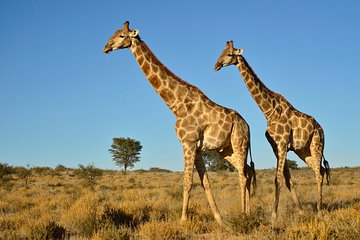 Half Day Safari Tour from DurbanFree cancellation
About this experience
Enjoy a half day tour focusing on KwaZulu-Natal’s diverse wildlife. Only a 50 minute drive from Durban the tour is a relaxed day tour for the Safari enthusiast who doesn't want to travel too far. Your local qualified tour guide will share their knowledge and experience,…
from £145.86Book on Viator →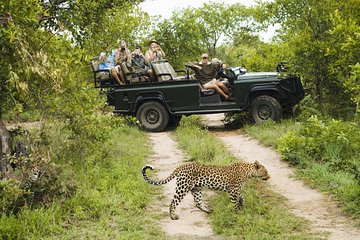 Durban: Big 5 Safari - Open Safari Vehicle at Exclusive ReserveFree cancellationInstant confirmation
About this experience
Wherever you are in the Zulu Kingdom you are no more than 3 hours from Africa’s iconic Big 5. Today, however, you shall be a whole lot closer. It is a 05h00 start. As you know wildlife, especially predators, are most active around dawn and dusk. The Big 5 Bucketlist Safari…
from £211.74Book on Viator →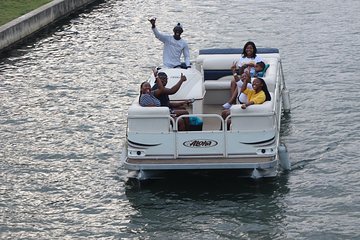 Luxury Canal Boat Cruise - Fun Things Durban UshakaFree cancellationInstant confirmation
About this experience
Cruise with us and have an amazing experience, enjoy the cruise on a luxury pontoon boat. Based on the Durban Point Waterfront Canals. The canals are protected with over 30 types of sea fish that can be spotted. Relax, enjoy and have fun as we give a guided tour of the…
from £7.53Book on Viator → Durban: 1-Hour Premium Ocean / Harbour Boat CruiseFree cancellationInstant confirmation
About this experience
Relax in style on the Durban luxury Pontoon Boat Cruise. Durban Harbour is exciting & great way to see durban. See Harbour boats and yachts. Experience something great & get great pictures. The 1 Hour Harbour Boat Cruise on Pontoon is a great way to see the city from a…
from £10.59Book on Viator → Tala Game Reserve and Natal Park Half Day Tour from DurbanFree cancellationInstant confirmation
About this experience
This tour is suitable for solo travelers, couples, families and groups. A visit to Tala Game Reserve and Natal Park promises an unforgettable wildlife experience in the heart of KwaZulu-Natal. Tala Game Reserve, with its diverse ecosystems, offers a chance to see a variety of…
from £168.92Book on Viator → Drakensberg Mountains & Nelson Mandela Capture Site Full Day SafariFree cancellationInstant confirmation
About this experience
Immerse yourself in the natural and cultural wonders of South Africa's KwaZulu-Natal. Depart from Durban for a daylong sightseeing tour beginning with Natal Midlands and continuing onto Drankensberg's Mountain Ranges. See spectacular mountain peaks, the valleys, and the hills,…
from £154.36Book on Viator →
Experiences are sold and operated by Viator and its local suppliers. Head Your Way is an affiliate: we may earn a commission, but your booking, payment, cancellations, refunds and any insurance are handled entirely by Viator under their terms. Head Your Way is not the seller and is not a party to your booking. Prices and availability shown are from Viator and can change — confirm full details on Viator before booking.
Exploring neighbourhoods
Durban's residential and commercial areas spread across distinct neighbourhoods, each with its own character. Berea, Stamford Hill, and Athlone represent established urban districts. Bluff sits to the south, Umbilo and Sherwood occupy central-western areas, whilst Overport, Sydenham, Bellaire, and Cato Manor fill in the broader metropolitan fabric. These neighbourhoods vary in density, age, and social composition, and exploring them reveals how the city functions beyond its central attractions.
The port district and beachfront areas anchor commercial and leisure activity, but residential neighbourhoods offer insight into how Durbanites actually live. Local markets, small shops, and street life in these areas provide texture that guidebook sites alone cannot capture. Walking or driving through different neighbourhoods shows the scale and diversity of a city of over 3.3 million.

Getting there
King Shaka International Airport (DUR) serves Durban and lies 28.4 kilometres from the city centre, making it the primary air gateway. For those approaching from further inland or alternative routes, Pietermaritzburg Airport sits 65.2 kilometres away, and Margate Airport is 129.2 kilometres distant. Road access links Durban to inland cities and the broader region.
The city is reachable by coach and car via national routes. Durban Cruise Terminal accommodates passenger ships, making it accessible for travellers arriving by sea.
Flights from £725 to Durban →from London · arrives DUR (28.4 km away) · recently-found fare — price & availability change

Day trips from Durban
Several towns and cities within reasonable driving distance offer alternative experiences. Pinetown lies just 14.4 kilometres away, Ntuzuma 15.3 kilometres, and Mpumalanga 38.2 kilometres, making these quick escapes from the coast. KwaDukuza, 64.1 kilometres north, provides another option for a half-day excursion.
Longer day trips into KwaZulu-Natal's interior open up different landscapes and towns. Pietermaritzburg, the provincial capital, sits 67 kilometres inland; Richmond is 73 kilometres away; Howick reaches 88 kilometres; and Port Shepstone, a smaller coastal town, lies 112.6 kilometres to the south. Each offers distinct character: Pietermaritzburg represents colonial urban heritage inland, whilst Port Shepstone provides an alternative coastal experience.


Practical information
Durban operates on South Africa Standard Time (Africa/Johannesburg timezone). The currency is South African Rand (ZAR). English is widely spoken.
The city's official website (durban.gov.za) provides municipal information, though tourist-specific resources may offer more targeted visitor guidance. The Inkosi Albert Luthuli International Convention Centre hosts large gatherings and conferences, reflecting the city's role as a regional hub.
As a major coastal and port city, Durban experiences weather patterns typical of South Africa's east coast. Seasons vary, though the city functions as a year-round destination. The beachfront, in particular, draws visitors across seasons.

Good to know
Durban's status as a UNESCO World Heritage site reflects specific heritage-listed structures and areas, including Quadrant House, Old Fort, and Sastri College. This designation underscores the city's historical significance, though it does not mean the entire city is protected heritage—visitors should verify access and conservation status before visiting listed sites.
The city's port remains an active commercial operation, not a heritage museum. Visitors exploring the waterfront should be mindful of working dock areas and restricted zones. The Durban Botanic Gardens and beaches provide more straightforward public access.
As a large metropolitan area, Durban has neighbourhoods and areas of varying safety and amenity. Visitors typically remain in central, beachfront, and established commercial zones. Standard urban travel caution applies to any large South African city.

Journeys through here
Where to stay in Durban
Hotels are booked on Booking.com (a third party, off this page). You book and pay them directly — Head Your Way is not the seller.
Getting around Durban
Affiliate links — we may earn a commission, never at extra cost to you.
Common questions
- What is Durban's main attraction?
- Durban combines multiple attractions: the beachfront and beaches (South Beach and North Beach), the working port and maritime heritage, UNESCO-listed historical sites such as Old Fort and Quadrant House, and cultural venues including uShaka Marine World and Victoria Street Market. The city's appeal lies in its blend of leisure, history, and commerce rather than resting on any single landmark.
- How do I get from King Shaka Airport to Durban city centre?
- King Shaka International Airport is 28.4 kilometres from the city. Visitors can arrange car hire, use taxi services, or book transfers through accommodation. Coach services and ride-sharing options are also available, though specific operators and schedules should be checked with local providers.
- Is Durban a beach holiday destination?
- Durban has beaches and a long waterfront, but it is primarily an urban and port city rather than a resort destination. South Beach and North Beach offer swimming and seaside walks, but the city's character is shaped as much by its harbour, buildings, and cultural sites as by leisure beaches. It suits visitors interested in urban exploration, maritime history, and coastal city life rather than isolated beach retreats.
- What are the key historical sites to visit?
- UNESCO-listed sites include Old Fort, Quadrant House, and Sastri College. Durban City Hall, the Cenotaph, and John Ross House add to the architectural heritage. The Battle of Congella and associated military installations mark military history. Victoria Street Market represents commercial heritage. Many of these cluster in the central area, though some military sites are dispersed across the city.
On the map
Keep exploring
Nearby places
More places in South Africa
Similar destinations
Plan the wider trip
Sources & method
- GeoNames — population · retrieved 2026-08-14
- OurAirports (derived) — nearestAirports · retrieved 2026-08-14
- Imagery — commons
Data compiled 2026-08-14 · editorial checks: passed. See our methodology for how Head Your Way sources and reviews travel data.