
Overview
Colombo is the capital and largest city of Sri Lanka, a sprawling port metropolis on the Indian Ocean coast that serves as the country's commercial and cultural heart. With a population of around 648,000, it functions as the primary gateway for most visitors arriving by air, and the city itself offers a compelling blend of colonial heritage, religious sites, and modern urban life that rewards exploration beyond the initial airport transit.
The city's geography places it centrally on the western coast, making it an ideal base for reaching destinations across the island. Whether you stay for a day or several, Colombo provides insight into contemporary Sri Lankan life alongside historical layers that reflect centuries of maritime trade and foreign influence.
Key facts
| Country | Sri Lanka |
|---|---|
| Population | 648,034 |
| Timezone | Asia/Colombo |
| Nearest airport | Colombo Ratmalana International Airport (RML), 13 km |
| Currency | LKR |
Getting There
Two international airports serve Colombo. The Bandaranaike International Airport is the main hub, located 27.6 kilometres from the city centre and handling most major international flights. For those arriving on regional services, Colombo Ratmalana International Airport lies closer at 13.3 kilometres away. A third option, Koggala Airport, sits 117 kilometres south and may serve certain flights depending on your routing.
Transport from either airport into the city is straightforward. Taxis and ride-sharing services operate from both terminals, and pre-arranged hotel transfers are widely available. Public bus services also connect the airports to central areas, though journey times vary with traffic. The choice of airport ultimately depends on your airline and routing, but the Bandaranaike facility remains the primary international entry point.
Find flights to Colombo →arrives RML (13.3 km away)

Things to Do
Colombo rewards wandering through its neighbourhoods and waterfront zones. The city's port and harbour areas reflect its identity as a maritime centre, while residential and commercial districts reveal everyday Sri Lankan life away from tourist focus. Exploring on foot or by tuk-tuk allows you to encounter local markets, street food vendors, and informal gathering spaces that define the urban character.
Religious and historical landmarks punctuate the city, with various temples and shrines serving both residents and visitors. These sites reflect the island's Buddhist, Hindu, Muslim, and Christian populations, each contributing architectural and spiritual layers to the urban fabric. Many are accessible during daylight hours and offer quiet spaces for reflection amid the city's bustle.
For those seeking respite, the coastal edges provide relief from dense urban areas. Promenades and seafront zones offer views of the ocean and opportunities to sit among locals during evening hours. Cafés, restaurants, and small shops cluster in certain neighbourhoods, making them natural hubs for eating and people-watching.


Experiences you can book in Colombo
 Sri Lanka Car and Driver Hire - Private Driver and ChauffeurFree cancellationInstant confirmation
About this experience
Whether you plan a one-way transfer or want a multi-day tour up to 15 days, our team always available on WhatsApp to help with special requests, give more deals, or even help you make custom itinerary just for you. Need Help? Pickup location is not listed or you have any…
from £22.57Book on Viator → Sri Lanka Multi Day Car Hire with English Speaking Driver-GuideFree cancellationInstant confirmation
About this experience
Discover the hidden treasuries of island paradise Sri Lanka with an experienced driver/guide while traveling on your own private luxury vehicle. This package will give you the chance for you to plan your own tailor made itinerary and explore Sri Lanka in your style with the help…
from £55.84Book on Viator → 8 Days tour in Sri Lanka with privet driver and accommodationsFree cancellationInstant confirmation
About this experience
Pack your backpacks and join with Beauty Lanka Travels on our “Splendour of Sri Lanka” tour! We cover the most visited National parks, ancient cities, the beautiful hill country, beaches and many other best attractions of the pearl of the Indian Ocean(Sri Lanka) The tour covers…
from £500.61Book on Viator → Sri Lanka Personal Tour Driver in private vehicleFree cancellationInstant confirmation
About this experience
Sri Lanka Personal Tour Drivers have nearly 10 years of experience , providing transportation for travelers from all around the world visiting Sri Lanka. Our customers appreciate our flexibility, our respectful and courteous service , our knowledge of the country, it’s key…
from £248.28Book on Viator →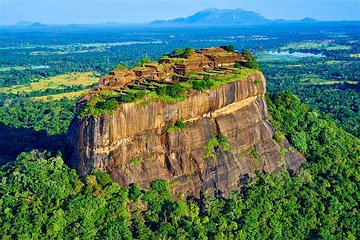 Sigiriya & Dambulla Day Trip with Lunch : Private & All-InclusiveFree cancellationInstant confirmation
About this experience
Discover two of Sri Lanka’s most iconic UNESCO World Heritage Sites in a single day. Visit the magnificent Sigiriya Rock Fortress, known as the "8th Wonder of the World," and explore the remarkable Dambulla Cave Temple, famous for its ancient cave shrines and beautiful Buddhist…
from £82.76Book on Viator → Sri Lanka 5 Day tour Best Nature and Culture include top hotels
About this experience
This tour offers an extraordinary glimpse into the heart of Sri Lanka, showcasing its rich cultural heritage and natural beauty. What sets it apart is the perfect blend of adventure and tranquility—from exploring ancient sites like Sigiriya Rock Fortress and the sacred Temple of…
from £267.09Book on Viator →
Experiences are sold and operated by Viator and its local suppliers. Head Your Way is an affiliate: we may earn a commission, but your booking, payment, cancellations, refunds and any insurance are handled entirely by Viator under their terms. Head Your Way is not the seller and is not a party to your booking. Prices and availability shown are from Viator and can change — confirm full details on Viator before booking.
Nearby Escapes
The attractions of the wider region are close enough for day trips or brief overnight stays. The coastal town of Dehiwala-Mount Lavinia lies just 10.9 kilometres south of central Colombo, making it an easy excursion for those wanting a change of scenery or beach access. Moratuwa, 18.4 kilometres down the coast, and Maharagama, 13 kilometres inland, offer alternative bases or visiting opportunities depending on your interests.
Slightly further afield, Negombo sits 30.4 kilometres north and has developed as a resort town in its own right, while Ratnapura, 67.3 kilometres inland, draws visitors interested in gemstone centres and rural landscapes. For more substantial journeys, Kurunegala (83.7 kilometres), Kandy (95.2 kilometres), and Galle (106.7 kilometres) are reachable as overnight trips or longer excursions, each offering distinct characteristics from colonial hill stations to fortified coastal settlements.
Public buses connect Colombo to all these destinations, though journey times and comfort levels vary. Private vehicles or organised tours provide more control over timing and route, particularly useful when combining multiple stops. Most travellers find these nearby areas worth at least a night away to experience the landscape and pace of life beyond the capital.


Getting Around
Colombo is navigated by tuk-tuk, taxi, bus, or on foot depending on your confidence and destination. Tuk-tuks are cheap and ubiquitous but often involve negotiation over fares; ride-sharing apps operate in the city and remove this uncertainty. Taxis can be hailed or pre-booked, while the bus network, though extensive, requires local knowledge of routes and schedules.
Walking covers short distances and is often the best way to absorb neighbourhood character, though the tropical heat and traffic congestion mean it is most pleasant in early morning or late afternoon. Many visitors combine walking with short tuk-tuk hops to cover ground efficiently. Hiring a driver for a day provides flexibility and is surprisingly affordable when shared among travellers.

When to Visit
Colombo's tropical location means the city is warm year-round, though rainfall and humidity vary seasonally. The city experiences two monsoon periods: one affecting the west coast during certain months and another reaching inland areas at different times. These monsoon seasons bring heavy rain but also clear crowds and lower prices.
The drier periods offer more comfortable conditions for walking and exploring, with less rainfall disrupting plans. However, Colombo functions as a year-round destination, and even during wetter months, rain typically falls in short, intense bursts rather than all-day downpours. If flexibility permits, avoiding peak travel seasons means easier access to accommodation and a more local experience of city life.

Practicalities
The local currency is the Sri Lankan rupee (LKR), and ATMs are readily available throughout the city for cash withdrawals. Major hotels, restaurants, and shops in central areas accept credit cards, though smaller vendors and street food stalls operate cash-only. It is worth carrying cash for everyday transactions and market purchases.
Sinhala is the official language, though English is widely spoken in hotels, tourist areas, and by younger Sri Lankans in urban centres. Basic Sinhala phrases are appreciated by locals and make navigating markets and public transport easier. Translation apps help bridge gaps when needed.
Colombo observes the Asia/Colombo timezone. Tap water in hotels is typically safe for visitors, though many prefer bottled water. Travel insurance is recommended, particularly if planning activities beyond the city. Vaccinations and visa requirements depend on your nationality; check current requirements well before departure.

Food and Dining
Colombo's food scene reflects its position as a cosmopolitan port city, with everything from street stalls to formal restaurants. Local cuisine centres on rice and curry with regional variations, alongside abundant seafood given the coastal location. Markets and informal eateries offer authentic meals at low cost, while mid-range and upscale establishments cater to tourists and affluent locals.
Street food is a defining part of eating in Colombo. Short eats—pastries, savoury snacks, and fried items—are sold from small shops and carts throughout the city. Sampling these vendors and small local restaurants provides both value and genuine taste of daily urban life. Hygiene varies, so exercise reasonable caution, but eating where locals eat is often the safest bet.
Accommodation
Colombo offers accommodation across all budgets. Budget guesthouses cluster in certain neighbourhoods and offer basic but clean rooms at modest rates. Mid-range hotels provide better amenities and more central locations, while upscale properties cater to business travellers and luxury tourists. Advance booking during peak seasons is advisable.
Many visitors use Colombo purely as a transit point between the airport and other island destinations, staying just one night. For longer stays, choosing a neighbourhood with good transport links or walking areas makes exploring easier. Staying near the waterfront or in established commercial zones offers better access to dining and services than more residential peripheries.
Hotels are booked on Booking.com (a third party, off this page). You book and pay them directly — Head Your Way is not the seller.
Nearby places
Journeys through here
Getting around Colombo
Affiliate links — we may earn a commission, never at extra cost to you.
Common questions
- How long should I spend in Colombo?
- This depends on your interests. A single day or overnight stay suffices if you intend mainly to pass through on your way to other parts of the island. Two to three days allows time to explore neighbourhoods, visit religious and historical sites, and experience local food and markets at a relaxed pace. Longer stays work if you are based here for business or want to use the city as a base for day trips to nearby destinations.
- Is Colombo safe for tourists?
- Colombo is generally safe for visitors who exercise standard urban precautions. Petty theft occurs in crowded areas, so keep valuables secured and avoid displaying expensive items. Avoid travelling alone at night in unfamiliar areas, use registered taxis or ride-sharing apps, and stay aware of your surroundings as you would in any large city. Local advice from your accommodation provider is valuable for current conditions.
- What is the best way to get from the airport to my hotel?
- Pre-arranged transfers through your hotel are reliable and remove stress upon arrival. Alternatively, taxis and ride-sharing apps operate at both airports and offer fixed or metered fares. Public buses are cheapest but require luggage management and route knowledge. For most first-time visitors, a transfer or ride-sharing service balances cost, convenience, and peace of mind.
- Do I need to book attractions in advance?
- Most temples, shrines, and public sites in Colombo do not require advance booking. Walk-up entry during daylight hours is standard, though donations are often expected. If joining organised tours or visiting during peak travel seasons, advance arrangements reduce wait times. Check with your accommodation provider for specific recommendations on sites you plan to visit.
- What should I eat in Colombo?
- Rice and curry is the staple, with variations using fish, chicken, or vegetables. Street food short eats—pastries, cutlets, and fried snacks—are cheap and popular for quick meals. Fresh fruit, fresh juices, and local beverages are worth trying. Exploring local restaurants and market stalls offers authentic food at low cost; eating where locals eat is both economical and memorable.
- Can I use my credit card everywhere in Colombo?
- Major hotels, restaurants, and shops in central and tourist areas accept credit cards, but many smaller vendors, markets, and street food stalls operate cash-only. Carrying a mix of cash and cards is advisable. ATMs are plentiful throughout the city for withdrawing local currency, so accessing cash is straightforward.
On the map
Keep exploring
Nearby places
More places in Sri Lanka
Similar destinations
Plan the wider trip
Sources & method
- GeoNames — population · retrieved 2026-08-14
- OurAirports (derived) — nearestAirports · retrieved 2026-08-14
- Imagery — commons
Data compiled 2026-08-14 · editorial checks: passed. See our methodology for how Head Your Way sources and reviews travel data.