
Overview
Lima is Peru's capital and the country's largest city, home to over 7.7 million people. Recognised as a UNESCO World Heritage site, the city's Historic Centre stands as one of South America's finest urban ensembles, shaped by centuries of colonial and republican architecture. The city sprawls across 2,672 square kilometres, making it a sprawling metropolis where centuries-old churches sit alongside modern districts.
Perched on the Pacific coast, Lima is a city of contrasts. The Historic Centre preserves narrow streets, ornate balconies, and religious buildings from the Baroque era, while neighbourhoods further out offer different character entirely. Visitors come for the museums, archaeological sites, colonial palaces, and the layered history embedded in its streets—though Lima rewards those willing to explore beyond the obvious.
Key facts
| Country | Peru |
|---|---|
| Population | 7.74 million |
| Timezone | America/Lima |
| Nearest airport | Jorge Chávez International Airport (LIM), 10 km |
| Currency | PEN |
History and context
Lima was founded during the imperial era as a Spanish colonial settlement, and its layout reflects that period's urban planning. The Historic Centre remains the heart of this colonial legacy, its plazas and religious buildings constructed during the Baroque period when the city served as Spain's administrative hub for South America. Walking through these streets means encountering architecture, urban design, and monuments that encode centuries of Spanish rule.
The city's history extends deeper still. Huaca Florida, located within Lima itself, represents the pre-Columbian past—an archaeological site that predates Spanish arrival. Other huacas in the wider area, like Huaca San Borja, further testify to the indigenous civilisations that occupied this territory long before the Europeans arrived. This archaeological layer remains visible to those who know where to look.
Lima's transition from colonial capital to modern republic left its mark on the urban fabric. Monuments to independence-era figures and Republican-period buildings sit alongside Baroque churches and colonial mansions, creating a palimpsest of eras. The city's museums and historic sites preserve this layered past, making Lima as much a historical document as a living city.


Things to do
The Historic Centre of Lima deserves several hours at minimum. This UNESCO World Heritage site concentrates the city's most significant colonial and Baroque architecture within walking distance. The Catedral de Lima sits on the main plaza, its façade a study in colonial grandeur. Nearby, Palacio Torre Tagle functions as a museum housed within a palace that exemplifies the domestic architecture of Lima's colonial elite, its interior courtyards and period furnishings offering insight into how the wealthy lived during that era. The Iglesia de Las Nazarenas, another landmark church, provides a counterpoint—a place of pilgrimage and worship rather than civic authority.
For a deeper dive into colonial domestic life, Casa Aliaga preserves an aristocratic residence with original furnishings and architectural details intact. Walking its rooms gives a visceral sense of colonial Lima's material culture. Nearly, Casa de Osambela presents another mansion converted to museum status, allowing visitors to compare different approaches to domestic space among the elite. Palacio Torre Tagle serves a similar function, its archives and decorative arts collection adding layers to the picture.
Religious buildings merit dedicated attention. The Basílica Santuario Santa Rosa de Lima honours a significant religious figure, while the Catedral de Lima remains an active cathedral alongside its museum function. These are functioning churches, not merely monuments, and their spiritual life continues alongside tourism.
Lima's theatrical heritage is worth exploring. Teatro Municipal de Lima and Teatro Principal Manuel A. Segura represent the city's performing arts venues and architectural ambition during different periods. Teatro Colón adds another layer to this cultural infrastructure. Even if you don't attend a performance, their exteriors and foyer areas reward a visit.
The city's museums extend well beyond the Historic Centre. Museo de Arte de San Marcos operates within a university setting, offering art collections in an academic context. Museo Numismático del Perú focuses on currency and monetary history. Museo Electoral y de la Democracia addresses political history. Museo Panteón Nacional de los Próceres commemorates independence-era heroes. Pinacoteca Pancho Fierro specialises in art. This diversity means you can curate a museum itinerary around your particular interests rather than visiting generic 'greatest hits' collections.
Archaeological interest clusters around Huaca Florida, an ancient site within the city limits. This pre-Columbian structure offers tangible connection to Lima's pre-Spanish past. Museo de Sitio Parque de La Muralla contextualises urban archaeology, showing how the city's early layers have been excavated and preserved. Hospital Real de San Andrés and La Casona de San Marcos represent different historical periods—one a colonial medical institution, the other a university building of historical significance.
Public spaces include Parque Universitario, offering green space within an urban setting. The city also features several notable bridges: Puente de Piedra and Puente Ricardo Palma both serve as landmarks in their own right, their engineering and historical significance making them worth crossing deliberately rather than as mere transit.
Landmarks and monuments scattered throughout the city tell specific stories. Diosa Feme, Torre del Reloj Alemana, La Libertad, Monument to Bartolomé Herrera (itself UNESCO-recognised), and statues honouring figures like Santa Rosa de Lima, Hipólito Unanue, Sebastián Lorente, and Francisco Pizarro create a biographical landscape. These aren't merely decorative but mark the city's identity and historical priorities.


Experiences you can book in Lima
 Premium Paracas & Huacachina Day Trip from Lima with Sunset ToastFree cancellationInstant confirmation
About this experience
A ONCE IN A LIFETIME Day Trip from Lima to Paracas and Huacachina Oasis with Peru Hop, the MOST HIGHLY REVIEWED Company in Peru. Our Huge Luxury Buses are almost double the size of any other company offering this tour. We are the ONLY company offering Free High Speed Wi-Fi,…
from £70.42Book on Viator → Day Tour From Lima: Paracas, Huacachina, Pisco Vineyard & SunsetFree cancellationInstant confirmation
About this experience
INCREDIBLE & AUTHENTIC Day Trip from Lima to Paracas and Huacachina at local prices! This day trip from Lima includes the following incredible experiences: 1. A once-in-a-lifetime visit to Huacachina Desert Oasis with free time to explore the Oasis 2. Dune Buggy up &…
from £36.56Book on Viator →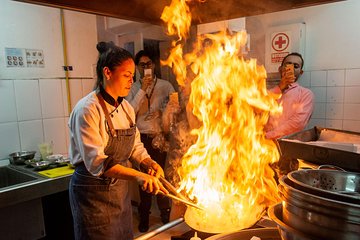 Lima Ultimate Peruvian Food TourFree cancellationInstant confirmation
About this experience
Discover one of Lima’s most interesting neighbourhoods – artsy and bohemian Barranco while sampling up to 14 Peruvian flavors (dishes, fruits, drinks). Meet with our local hosts to learn and witness the preparation of the famous ceviche, lomo saltado and pisco sour with live…
from £79Book on Viator → Full Paracas & Huacachina Day Trip from Lima: Sunset ExperienceFree cancellationInstant confirmation
About this experience
One day. Two iconic destinations. One unforgettable adventure. - Ballestas Islands: Sea lions, Humboldt penguins & stunning coastal views. - Ica Pisco & Wine** – Local tasting & lunch. - Huacachina Oasis: Discover Peru’s legendary desert oasis. - Dune Adventure: 2-hour buggy &…
from £44.39Book on Viator → Lima Half-Day City Walking Tour (Small Groups)Free cancellationInstant confirmation
About this experience
Discover the city of Lima known as the "City of Kings"! We will visit the highlights of the Historic Center of Lima such as the Plaza de Armas, the Cathedral of Lima, the Monastery of San Francisco with its incredible Catacombs and other historical places that make this unique…
from £27.08Book on Viator → Paracas and Huacachina Exclusive Sunset Picnic TourFree cancellationInstant confirmation
About this experience
THE MOST COMPLETE AND EXCLUSVE DAY TRIP FROM LIMA IN A LUXURY BUS. 1) 2 HOUR BALLESTAS ISLANDS: visit wild marine life and the Candelabra. 2) AMERICA´S OLDEST VINEYARD, LA CARAVEDO: Peruvian Lunch and Pisco tour. No other tour comes to this vineyard, ask upfront. 3)…
from £101.57Book on Viator →
Experiences are sold and operated by Viator and its local suppliers. Head Your Way is an affiliate: we may earn a commission, but your booking, payment, cancellations, refunds and any insurance are handled entirely by Viator under their terms. Head Your Way is not the seller and is not a party to your booking. Prices and availability shown are from Viator and can change — confirm full details on Viator before booking.
Neighbourhoods to explore
The Historic Centre (Lima district) concentrates colonial architecture and museums, making it the obvious starting point. Its density and pedestrian scale make it walkable, though the neighbourhood requires navigation of traffic and crowding. This is where the Catedral de Lima, major churches, and colonial palaces cluster.
Emporio Comercial de Gamarra functions as Lima's garment district, a neighbourhood defined by commerce and manufacturing rather than tourism. Those interested in local economic life or seeking textile purchases will find a different Lima here than in the Historic Centre. The area is commercially vibrant and energetic, with the character of a working neighbourhood.
Breña sits just 3 kilometres from central Lima and offers proximity without the density of the Historic Centre. It's accessible as a brief excursion for those seeking breathing room from the city core. Santa Beatriz provides another option for exploring residential areas beyond the tourist epicentre.
La Victoria and Carmen de la Legua Reynoso represent other residential districts within the city. These neighbourhoods offer different character and pace from the Historic Centre, though tourist facilities may be more limited.
Magdalena del Mar and Orrantia del Mar sit further out, their names suggesting waterside or garden character. These represent the city's geographic extent and allow exploration of how Lima continues beyond its colonial heart.

Nearby day trips
Several destinations lie within easy reach of Lima's centre. Miraflores sits just 7.8 kilometres away, offering a distinct district character. Santiago de Surco, 10.6 kilometres distant, provides another nearby alternative. Both are accessible for morning or afternoon excursions without requiring extensive travel time.
Callao lies 11.6 kilometres from Lima and functions as a separate city, meriting its own visit. The contrast between Lima's urban core and this nearby centre rewards the journey. Breña, only 3 kilometres away, offers the quickest possible escape from the city centre.
Santa Anita and San Francisco De Borja sit at 6 kilometres each, making them viable half-day explorations. Chosica, significantly further at 36.4 kilometres, represents a longer day trip but offers geographical diversity from the coastal city. Huaral at 64 kilometres reaches the outer range for realistic day-trip territory, requiring more committed travel but potentially rewarding with different landscape and settlement character.
These destinations vary in character and distance, allowing you to select based on available time and interests. None requires overnight stays, though traffic conditions and transport links should factor into planning.

Getting there
Jorge Chávez International Airport serves Lima, located just 9.7 kilometres from the city centre. Most international visitors arrive here. Ground transport options connect the airport to the city, though specific operators and costs require checking at arrival.
Lima's position as Peru's largest city and primary international gateway means it's the obvious entry point for most visitors. Travel from elsewhere in Peru typically routes through Lima, even if it's not your final destination.
Flights from £608 to Lima →from London · arrives LIM (9.7 km away) · recently-found fare — price & availability change

Getting around
Lima sprawls across 2,672 square kilometres, making it far too large to explore entirely on foot. The Historic Centre is walkable and compact, but reaching other neighbourhoods or attractions requires transport. Public buses serve the city but require local knowledge to navigate effectively. Taxis and ride-hailing services offer alternatives, though traffic congestion is endemic to Lima's central areas.
Walking within specific districts—particularly the Historic Centre—remains the primary way to experience colonial architecture and museums in detail. But distances between neighbourhoods mean you'll need transport to move between them efficiently. Plan your itinerary geographically to minimise travel time.

When to visit
Lima sits on Peru's Pacific coast with a coastal desert climate. The city itself doesn't experience dramatic seasonal swings typical of Andean Peru. This moderates climate means Lima remains visitable year-round, unlike mountain regions where altitude affects weather significantly.
The absence of heavy rainfall makes Lima accessible during any season. Unlike other Peruvian destinations where weather patterns dictate visiting windows, Lima's geography creates more consistent conditions. Tourism infrastructure, events, and local life continue throughout the year, so your visit timing can centre on personal schedule rather than climate constraints.

Good to know
Lima operates in America/Lima timezone. The city uses Peruvian Soles (PEN) as currency. Spanish is the language; English is less widely spoken than in major tourist centres, so basic Spanish phrases aid interaction with locals and staff.
The city's UNESCO World Heritage status reflects architectural and historical significance concentrated in the Historic Centre. This recognition doesn't mean other neighbourhoods or sites lack merit, but it does indicate where Spain's colonial legacy remains most intact and visually striking.
Lima's size and complexity reward patience and planning. It's a working city with millions of residents pursuing daily life, not a theme park. Museum hours, restaurant closures, and local holidays affect your plans more than in smaller destinations. Checking specific opening hours and advance bookings for museums prevents wasted trips.
The historic centre can feel crowded and chaotic, particularly during daytime hours. Early morning visits to museums and churches often yield better experiences than mid-afternoon. Traffic and congestion characterise Lima's central areas; allow extra time for transport and remain alert to surroundings in busy districts.
Journeys through here
Where to stay in Lima
Hotels are booked on Booking.com (a third party, off this page). You book and pay them directly — Head Your Way is not the seller.
Getting around Lima
Affiliate links — we may earn a commission, never at extra cost to you.
Common questions
- How do I get from the airport to central Lima?
- Jorge Chávez International Airport sits 9.7 kilometres from the city centre. Transport options connect the airport to Lima, though you'll need to confirm current operators and services at arrival. Distance is short enough that even with traffic, the journey doesn't consume excessive time.
- Is the Historic Centre worth visiting?
- Yes. The Historic Centre holds UNESCO World Heritage status and concentrates Lima's colonial architecture, major churches, palaces, and museums within walkable distance. It represents the primary reason many visitors come to Lima. However, it requires several hours minimum to experience meaningfully, and crowds can be heavy during peak hours.
- Can I visit multiple attractions in one day?
- Yes, if you're selective. The Historic Centre's museums and churches can be combined into a single day on foot. Reaching neighbourhoods beyond the centre requires transport, so combining far-flung sites means more time in transit. Most visitors dedicate 2-3 days to Lima, allowing both depth in the Historic Centre and exploration of other areas.
- What's Lima's climate like?
- Lima sits on the Pacific coast with a coastal desert climate. The city doesn't experience heavy rainfall or extreme seasonal temperature swings like Andean regions. This makes Lima accessible and visitable year-round without weather constraints that affect other Peruvian destinations.
- Do I need Spanish to get by?
- Spanish is Lima's language; English is less widely spoken than in some tourist destinations. Basic Spanish phrases help immensely with staff in restaurants, hotels, and attractions. Learning simple directions, numbers, and courtesy phrases pays dividends. Translation apps help as backup for more complex communication.
- How large is Lima?
- Lima covers 2,672 square kilometres and hosts over 7.7 million people, making it a sprawling metropolis. The city is far too large to explore entirely, so focus your visit on specific neighbourhoods and attractions rather than attempting comprehensive coverage. The Historic Centre remains the primary draw for most visitors.
On the map
Keep exploring
More places in Peru
Similar destinations
Plan the wider trip
Sources & method
- GeoNames — population · retrieved 2026-08-14
- OurAirports (derived) — nearestAirports · retrieved 2026-08-14
- Imagery — commons
Data compiled 2026-08-14 · editorial checks: passed. See our methodology for how Head Your Way sources and reviews travel data.