
Overview
Changchun, the capital of Jilin Province, is a sprawling modern city in northeastern China with deep historical significance. Home to nearly five million people, it has emerged as an important cultural and industrial centre, marked by its transformation across different historical periods. The city holds UNESCO World Heritage status, a reflection of its exceptional historical sites and cultural institutions.
Today, Changchun balances industrial heritage with contemporary attractions. The city is known for its film industry, automotive manufacturing, and a collection of museums and temples that document its complex past. Whether exploring its religious monuments, engaging with its film heritage, or navigating its urban parks and neighbourhoods, visitors encounter a city shaped by multiple layers of history.
Key facts
| Country | China |
|---|---|
| Population | 4.71 million |
| Timezone | Asia/Shanghai |
| Nearest airport | Changchun Longjia International Airport (CGQ), 32 km |
| Currency | CNY |
History and context
Changchun's identity is inseparable from its role as the capital of Manchukuo, a state that existed during a particular period of imperial expansion in East Asia. This era left profound architectural and institutional marks on the city, with numerous buildings and administrative complexes from that time still standing today. The Eight Ministries of Manchukuo, various government offices, and other administrative structures testify to this period's influence on the city's layout and character.
The transition from that historical period shaped modern Changchun into a city where heritage sites coexist with contemporary development. Several UNESCO-recognised sites preserve this history, including the Museum of the Imperial Palace of Manchukuo and the Site of the Central Bank of Manchou. The State Foundation Mausoleum for National Martyrs reflects the city's commemoration of different historical narratives. Religious structures like Dizang Temple, a UNESCO World Heritage site, represent continuities of spiritual life across centuries.


Things to do
Changchun's cultural attractions centre on its film industry heritage and institutional museums. The Changchun Film Studio, a UNESCO World Heritage site, remains central to the city's identity as a major film production hub. The Museum of the Imperial Palace of Manchukuo offers extensive documentation of a crucial period in the region's history, preserving palaces and artefacts that illustrate life within that historical context. Visitors interested in religious architecture will find the Bore Temple and Dizang Temple (the latter a UNESCO site) offer insight into Buddhist practice and temple design. St. Theresa's Cathedral of Changchun represents the city's Christian heritage, while the Changchun Confucius Temple functions as both a historical site and museum.
Public spaces and parks provide relief from urban density. Changchun World Sculpture Park offers outdoor art in an accessible setting. The city's various stadiums and gymnasiums—including Changchun City Stadium, Changchun Gymnasium, and Development Area Stadium—serve as modern civic landmarks and occasional venues for events. These facilities represent the city's investment in contemporary sports and cultural infrastructure.
For those interested in industrial and institutional history, the Changchun Rail Transit system connects the city and reflects modern transport planning, while FAW Group represents the automotive industry that anchors the regional economy. Educational visitors might appreciate the presence of major universities including Northeast Normal University and Jilin University, institutions that shape the city's intellectual landscape.
Exploring historical administration buildings offers a unique form of urban archaeology. Sites such as the Eight Ministries of Manchukuo, the Manchukuo State Council building, the National Police Headquarters, and the Telecommunications Company premises remain accessible in various forms, allowing visitors to trace the physical infrastructure of historical governance. These structures often retain architectural character from their period and provide context for understanding the city's layered past.


Experiences you can book in Changchun
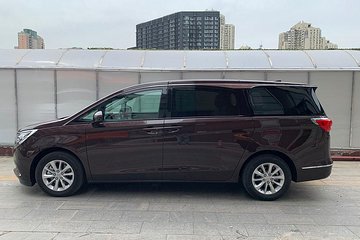 Changchun Longjia International Airport, Changchun pick-up serviceFree cancellationInstant confirmation
About this experience
Pleasure Tour is a 15 years of development and legitimate China inbound tourism products supplier, we provide high quality, accurate and competitive service and price. Welcome to the world of Pleasure Tour. We create a true travel experience with sincerity, innovation, struggle…
from £16.79Book on Viator → Changchun Private Tour: Puppet Emperor's Palace, Eight Departments of ManchukuoFree cancellationInstant confirmation
About this experience
Discover Changchun city historical highlights: the Museum of The Imperial Palace of Manchukuo,Changchun Cultural Square, Eight Departments of Manchukuo. all inclusive package private tour, transport you can choice private vehicle tour or public transport tour • Learning…
from £361.13Book on Viator → Romantic Tour in ChangchunFree cancellationInstant confirmation
About this experience
An exclusive tour for all the romantics of the world! Together with the local professional guide, you will visit the most romantic places in the city. Due to its many green areas, Changchun is also known as Forest City. You will feel spellbound in a charming atmosphere. Where is…
from £358.46Book on Viator → Changchun Longjia Airport Chauffeur Service, pick up and drop offFree cancellationInstant confirmation
About this experience
It's one way private transfer between airport and hotel in downtown, which is the most convenient and safe way for transfer by a vehicle with legal operation qualification. All prices included, no more extra charge. The driver will meet you at exit of arrival hall or hotel lobby…
from £16.78Book on Viator → 4-Day Private Tour Combo Package of Changbai Mountain with AccommodationInstant confirmation
About this experience
Mountain Changbaishan(Changbaishan Tianchi) is located Tu'an County, Yanbian, in Jilin Province, on the border between China and North Korea. Changbaishan is famous for its Changbaishan Tianchi,Changbai Mountain Waterfalls, hot springs, canyons, lava forests, alpine garden,…
from £2700.77Book on Viator → Private Day tour to Changchun Ice and Snow WorldFree cancellationInstant confirmation
About this experience
Changchun Ice and Snow World open on 12 of December on 2024, it is earlier than Harbin Ice and Snow World open time, Changchun Ice AND Snow World won three WRCA world records in 2020, "the world's longest ice slide (passion slide)," the world's highest ice torch (the song tower…
from £300.94Book on Viator →
Experiences are sold and operated by Viator and its local suppliers. Head Your Way is an affiliate: we may earn a commission, but your booking, payment, cancellations, refunds and any insurance are handled entirely by Viator under their terms. Head Your Way is not the seller and is not a party to your booking. Prices and availability shown are from Viator and can change — confirm full details on Viator before booking.
Neighbourhoods to explore
Changchun comprises nine distinct districts and neighbourhoods, each with its own character. Chaoyang District and Nanguan District form parts of the city centre and concentrate many cultural institutions and commercial areas. These central zones are logical bases for visitors seeking proximity to museums, temples, and transport hubs.
Luyuan District, Kuancheng District, and Erdao District radiate outward from the core, each offering different residential and commercial environments. Dongsheng and Chongqing neighbourhoods provide additional perspectives on the city's urban layout, whilst Chuncheng and Xinchun represent newer or developing areas. Wandering between these neighbourhoods via the Changchun Rail Transit system reveals how the city has expanded and how different zones reflect different historical periods of development.

Getting there
Changchun Longjia International Airport, located 31.8 kilometres from the city centre, is the primary air gateway. The airport handles domestic and international flights, making it the most convenient entry point for most travellers. Ground transport from the airport connects directly to the city's centre and main districts.
An alternative option exists via Songyuan Chaganhu Airport, situated 131.9 kilometres away, though this represents a significantly longer journey. For those travelling overland, Changchun railway station provides rail connections to other cities across northeastern China and beyond, forming part of the broader rail network connecting major urban centres in the region.
Find flights to Changchun →arrives CGQ (31.8 km away)

Getting around
The Changchun Rail Transit system is the primary public transport mechanism for moving around the city. This network connects major districts and attractions, making it the most efficient way to navigate between neighbourhoods and reach key sites. The system is modern and well-integrated into the city's urban planning, allowing visitors to access different zones without relying on private transport.
Taxis and ride-hailing services supplement the rail network for shorter journeys or areas between transit lines. Given the city's substantial area of 24,734 square kilometres, the rail transit system significantly reduces travel times compared to navigating entirely by road.

When to visit
No specific climate data is provided for Changchun, so visitors should plan based on general northeastern China conditions and check weather forecasts for their intended dates. The city's major attractions—museums, temples, and historical sites—operate year-round and are not weather-dependent, making Changchun accessible throughout the year. Those interested in outdoor parks and sculptures may prefer seasons with milder conditions.

Day trips from Changchun
Changchun's position in Jilin Province provides easy access to neighbouring cities and towns for day excursions. Xinglongshan lies just 14.3 kilometres away, making it an effortless short visit for those wanting a quick escape into a different setting. Shuangyang (48.1 kilometres) and Jiutai (50.5 kilometres) offer slightly further options whilst remaining manageable for a single day journey.
Further afield, Gongzhuling sits 58.4 kilometres away, whilst Dehui extends to 78.8 kilometres. Larger cities including Jilin (99.3 kilometres) and Longshan (111.6 kilometres) represent more substantial day trips for travellers with transport and time available. Fate, a town 115.4 kilometres distant, marks the furthest practical day-trip option from Changchun. Each of these neighbouring places provides different perspectives on the broader Jilin region and its settlement patterns.

Practical information
Changchun operates on China Standard Time (Asia/Shanghai timezone). The local currency is the Chinese Yuan (CNY), and Mandarin Chinese is the primary language spoken throughout the city. Visitors should ensure they have appropriate translation tools or guides, as English may not be widely spoken outside major tourist facilities and hotels.
The city's official website (http://www.changchun.gov.cn) provides administrative information and may contain resources for visitors, though content may be primarily in Chinese. As with travel to any Chinese city, visitors should check current travel advisories and entry requirements before planning their journey.
Journeys through here
Where to stay in Changchun
Hotels are booked on Booking.com (a third party, off this page). You book and pay them directly — Head Your Way is not the seller.
Getting around Changchun
Affiliate links — we may earn a commission, never at extra cost to you.
Common questions
- What makes Changchun a UNESCO World Heritage destination?
- Changchun holds UNESCO World Heritage status due to several exceptional sites within the city. The Changchun Film Studio, Museum of the Imperial Palace of Manchukuo, Dizang Temple, Site of the Central Bank of Manchou, and State Foundation Mausoleum for National Martyrs are all UNESCO-recognised sites that preserve significant historical, cultural, and architectural heritage.
- Is the Changchun Film Studio open to visitors?
- The Changchun Film Studio is a UNESCO World Heritage site and represents the city's major contribution to China's film industry. The facts confirm its cultural significance, though specific visitor access details are not provided in the available information. Visitors should confirm current visiting conditions before travelling.
- How large is Changchun and how many people live there?
- Changchun covers an area of 24,734 square kilometres and has a population of approximately 4.7 million people, making it a major urban centre in northeastern China. This substantial size means visitors should plan to use the Changchun Rail Transit system to move efficiently between attractions across different neighbourhoods.
- What religious sites can visitors explore in Changchun?
- Changchun offers several religious sites reflecting different traditions. The Bore Temple and Dizang Temple (a UNESCO site) represent Buddhist heritage, whilst St. Theresa's Cathedral of Changchun reflects Christian presence in the city. The Changchun Confucius Temple functions as both a historical and cultural site. These establishments provide insight into the city's spiritual and cultural diversity.
- How do I get from the airport to central Changchun?
- Changchun Longjia International Airport is located 31.8 kilometres from the city centre. Ground transport options connect the airport to the city, with the Changchun Rail Transit system providing access to different neighbourhoods. An alternative airport, Songyuan Chaganhu, lies 131.9 kilometres away and represents a longer journey to the city.
- What historical periods are represented in Changchun's attractions?
- Changchun's attractions reflect multiple historical periods. The most extensively documented era relates to the Manchukuo period, with numerous administrative buildings, government offices, and institutional sites preserved throughout the city. Religious sites including temples represent continuities across longer timeframes, whilst modern facilities like the film studio and transit system reflect contemporary development.
On the map
Keep exploring
More places in China
Similar destinations
Plan the wider trip
Sources & method
- GeoNames — population · retrieved 2026-08-14
- OurAirports (derived) — nearestAirports · retrieved 2026-08-14
- Imagery — commons
Data compiled 2026-08-14 · editorial checks: passed. See our methodology for how Head Your Way sources and reviews travel data.