
Overview
Shijiazhuang, the capital of Hebei province, is a major city in northern China with a population exceeding three million. Though modern in character, it holds significance as a UNESCO World Heritage site and serves as an important transport hub for the region. The city blends contemporary infrastructure with historical landmarks that trace its role in modern Chinese history.
Visitors will find a mix of cultural institutions, parks, and heritage sites spread across numerous neighbourhoods. The city's railway connections and nearby airport make it accessible for travellers exploring the broader Hebei region. Despite its industrial development, Shijiazhuang offers quieter spaces and meaningful cultural attractions for those willing to explore beyond the main thoroughfares.
Key facts
| Country | China |
|---|---|
| Population | 3.94 million |
| Timezone | Asia/Shanghai |
| Nearest airport | Shijiazhuang Zhengding International Airport (SJW), 33 km |
| Currency | CNY |
History and Context
Shijiazhuang's modern character reflects its emergence as a significant urban centre in the modern era. The city's development is closely tied to transportation infrastructure, particularly its railway connections that made it a junction of strategic importance. This heritage remains visible today through heritage sites and museums dedicated to the revolutionary period.
The city holds UNESCO World Heritage designation, acknowledging its historical importance. Key sites such as the Former Site of the Headquarters of People's Bank of China and the Shijiazhuang Great Stone Bridge carry recognition of their cultural and historical significance. These landmarks anchor the city's identity and provide tangible connections to formative periods in the region's past.
Religious heritage is also present throughout the city, with multiple churches and mosques reflecting both historical presence and contemporary community life. These institutions represent different faith traditions and have shaped the social fabric of Shijiazhuang across generations.


Things to Do
The Hebei Museum serves as the primary repository of the province's cultural heritage, offering visitors comprehensive insight into regional history and artefacts. The Shijiazhuang liberation commemoration Museum provides focused examination of events central to modern Chinese history, making it a thoughtful stop for those interested in 20th-century developments. Both institutions are situated within the city proper and merit at least an hour of exploration each.
For those interested in industrial and transport history, the railway station area preserves locomotives and associated heritage from significant periods. The DF4C-0003 locomotive represents an important chapter in transport development and remains accessible to those curious about mechanical engineering and infrastructure history.
Religious architecture offers another dimension to urban exploration. The Christian churches—including evangelical and Catholic properties—and the mosques scattered throughout the city reflect architectural styles and community traditions. These buildings often feature both classical and modern elements, providing visual interest and cultural context.
Public spaces serve as venues for relaxation and observation of local life. Parks distributed across the city include the memorial plaza in the city centre, green spaces with botanical interest such as the conifer garden, and recreational facilities that cater to different age groups. These areas are free to enter and provide pleasant environments for walking, sitting, or people-watching.
The television tower functions as a recognizable landmark and potential vantage point over the city, while the sports centre represents modern civic infrastructure. The Hebei Library and the provincial arts centre serve those interested in cultural programming and exhibitions. The city museum, located within Shijiazhuang proper, provides more focused institutional collecting than the major provincial museum.


Experiences you can book in Shijiazhuang
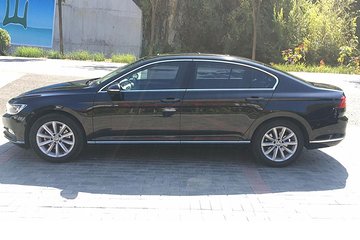 Shijiazhuang Zhengding Airport Chauffeur Service, Shijiazhuang Airport TransferFree cancellationInstant confirmation
About this experience
It's single-way private transfer between Haikou Meilan and hotel in downtown Haikou, which is the most convenient and safest way for transfer by a vehicle with legal operation qualification. All prices included, no more extra charge. The driver will meet you at pick-up area of…
from £40.63Book on Viator → Shijiazhuang Private Arrival Transfer: Airport to HotelInstant confirmation
About this experience
Shijiazhuang Daguocun International Airport(SJW) is 40km away from downtown Shijiazhuang. There is not a taxi call center in Shijiazhuang, so It is difficult to reserve airport pickup in advance by phone. To avoid the hassle of long airport taxi lines, you will love…
from £40.59Book on Viator → Shijiazhuang Private Departure Transfer: Hotel to Railway StationInstant confirmation
About this experience
There is not a taxi hotline with English service in Shijiazhuang. Sign of taxi stand can not be found in major streets. Demand for taxi service is high during rainy days, peak hours (6.00am to 9.30am and 6.00pm to midnight), weekend and public holidays. For people who prefer…
from £40.59Book on Viator → Romantic Tour in ShijiazhuangFree cancellationInstant confirmation
About this experience
An exclusive tour for all the romantics of the world! Together with the local professional guide, you will visit the most romantic places in the city. Zihai Xiangtian Lavender Villa is a beautiful lavender-themed scenic area. You will feel spellbound in a charming atmosphere.…
from £358.46Book on Viator → [Airport pick-up] Shijiazhuang Zhengding International Airport Shijiazhuang city pick-up High reputation for service!Free cancellationInstant confirmation
About this experience
Beijing Fengdu International Travel Company has a 15-year history and offers legally qualified Chinese entry travel products, excellent and competitive services and prices. Welcome to the world of travel – we want you to create a better travel experience. Private one-way…
from £20.83Book on Viator → Shanghai City Day Tour with Yuyuan Garden and Huangpu River CruiseFree cancellationInstant confirmation
About this experience
Welcome to Shanghai! As one of the most classic tourist cities in China, Shanghai has many things worthy of seeing. No matter what type a tour you are looking for: history, leisure, or food, Shanghai is definitely a good place to go. This tour, without any stop at any shop or…
from £147.46Book on Viator →
Experiences are sold and operated by Viator and its local suppliers. Head Your Way is an affiliate: we may earn a commission, but your booking, payment, cancellations, refunds and any insurance are handled entirely by Viator under their terms. Head Your Way is not the seller and is not a party to your booking. Prices and availability shown are from Viator and can change — confirm full details on Viator before booking.
Neighbourhoods to Explore
Chang'an District represents one of the major commercial and administrative cores of the city, hosting significant institutional presence and urban development. Xinhua District provides another focal point for urban activity and cultural institutions. These two districts contain much of what visitors will recognize as 'downtown' Shijiazhuang, with services, shops, and transport connections concentrated here.
Qiaoxi District and Yuhua District extend the urban geography, each with their own character and local amenities. These areas feel less touristy and offer more authentic glimpses of daily neighbourhood life, with local shops, residential quarters, and smaller parks serving community needs rather than visitor expectations.
The subdistricts—including Yuejin, Jian'an, Changfeng, Dongyuan, Guang'an, and Hedong—are smaller administrative divisions within the larger districts. These neighbourhoods tend to be primarily residential, though some contain important institutions or heritage sites. They're worth exploring if you're staying longer or seeking to understand how different areas of the city function day to day.


Getting Around
Shijiazhuang operates a metro system that provides efficient movement across the city, though coverage is limited compared to larger Chinese cities. For those unfamiliar with metro systems in China, stations display maps and directional signage, with staff available to assist. The metro connects major districts and transport hubs effectively.
Taxis are widely available and relatively affordable. Ride-hailing apps used throughout China function normally here. For those renting bicycles, the city has gradually developed cycling infrastructure, though pedestrians should be aware of bike lanes and shared spaces.
Walking remains practical within individual districts, though crossing the broader city on foot is time-consuming given distances involved. The rail station and its associated facilities provide clear orientation points for navigation.

When to Visit
Shijiazhuang's climate follows typical patterns for northern China, with distinct seasonal variation. Winters are cold, whilst summers are warm. Spring and autumn offer moderate temperatures and are generally considered more comfortable for outdoor exploration and sightseeing.
The city experiences precipitation varying by season, though the facts provided do not specify which months are wettest or driest. Visitors should check detailed weather forecasts closer to their travel dates to prepare appropriate clothing and plan outdoor activities accordingly. Public holidays, particularly longer breaks observed nationally, will see increased visitor numbers at attractions and public transport crowding.

Getting There
Shijiazhuang Zhengding International Airport lies approximately 33 kilometres from the city centre and serves as the primary air gateway. From the airport, various transport options connect to the city, including shuttle services and taxi availability. The airport's distance is manageable, though travellers should budget adequate time for ground transport between arrival and city locations.
Xinzhou Wutaishan Airport, located roughly 145 kilometres away, serves as an alternative air gateway for those arriving from certain routes, though it's significantly further afield. Rail connections are extensive and important, with Shijiazhuang railway station serving as a major transport hub with regular services to other cities across the region and beyond. The station's central location makes it a convenient arrival point for train travellers.
Long-distance bus services connect Shijiazhuang to surrounding cities and provincial destinations. These services provide budget-conscious alternatives to train or air travel, though journey times are longer.
Find flights to Shijiazhuang →arrives SJW (32.8 km away)
Day Trips from Shijiazhuang
Zhengding, located just under 14 kilometres away, is close enough for a morning excursion or leisurely afternoon visit. Luancheng, approximately 23 kilometres distant, offers another nearby option for those seeking variation without lengthy travel. Huaiyang, roughly 31 kilometres away, represents the edge of practical same-day exploration.
For those with more time or interest in broader regional exploration, Xingtai and Yangquan are viable day trips at approximately 109 and 83 kilometres respectively, requiring early departure but manageable within a full day. Hengshui, Jizhou, and Xinji lie at the further reaches of comfortable day-trip distance at 111, 110, and 66 kilometres, suitable for those with flexible schedules or specific destinations in mind. Each of these surrounding cities and towns offers different character and attractions, providing alternatives to remaining in Shijiazhuang itself.
Good to Know
Shijiazhuang operates on China Standard Time across the entire country. Currency is the Chinese Yuan (CNY). The primary language is Chinese, with English proficiency varying depending on location and individual—those relying on English should download translation apps or arrange guides in advance, particularly outside major hotels and tourist-oriented establishments.
The Hebei University of Chinese Medicine has presence in the city and may interest those specifically researching traditional medicine practices, though it's an educational institution rather than a visitor attraction. Banking and currency exchange are available through standard Chinese channels at the airport, railway station, and throughout the city.
The city's location in Hebei province positions it within a broader regional context. Those interested in exploring the province beyond Shijiazhuang's boundaries will find good transport connections to surrounding municipalities and towns, making the city a logical base for regional exploration.
Journeys through here
Where to stay in Shijiazhuang
Hotels are booked on Booking.com (a third party, off this page). You book and pay them directly — Head Your Way is not the seller.
Getting around Shijiazhuang
Affiliate links — we may earn a commission, never at extra cost to you.
Common questions
- What is Shijiazhuang's main historical significance?
- Shijiazhuang emerged as a significant urban centre in the modern era, particularly through its role as a railway junction. It holds UNESCO World Heritage designation, with key sites including the Former Site of the Headquarters of People's Bank of China and the Shijiazhuang Great Stone Bridge. The city contains multiple museums and monuments dedicated to its role in 20th-century Chinese history.
- Which airports serve Shijiazhuang?
- Shijiazhuang Zhengding International Airport is the primary gateway, located approximately 33 kilometres from the city centre. Xinzhou Wutaishan Airport, about 145 kilometres away, serves as an alternative. The railway station provides excellent domestic and regional connections as well.
- How do I get around the city?
- Shijiazhuang operates a metro system providing efficient transport across major areas. Taxis are widely available and affordable. Ride-hailing apps work throughout the city. Walking is practical within individual districts, and cycling infrastructure is gradually being developed.
- What are the nearest day-trip destinations?
- Zhengding is the closest at just under 14 kilometres, followed by Luancheng at approximately 23 kilometres. For slightly longer journeys, Yangquan (83 kilometres) and Xingtai (109 kilometres) are manageable day trips with early departure. Multiple other towns lie within reasonable distance for those with flexible schedules.
- What language should I speak in Shijiazhuang?
- Chinese is the primary language. English proficiency varies, particularly outside major hotels and tourist-oriented establishments. Translation apps are highly recommended. Major transport hubs and institutional settings typically have some English signage.
- When is the best time to visit?
- Spring and autumn offer moderate temperatures and are generally most comfortable for sightseeing and outdoor exploration. Winters are cold and summers warm. Visitors should check weather forecasts before travel and avoid major national holiday periods if seeking fewer crowds at attractions and transport services.
On the map
Keep exploring
More places in China
Similar destinations
Plan the wider trip
Sources & method
- GeoNames — population · retrieved 2026-08-14
- OurAirports (derived) — nearestAirports · retrieved 2026-08-14
- Imagery — commons
Data compiled 2026-08-14 · editorial checks: passed. See our methodology for how Head Your Way sources and reviews travel data.